
Built to Adapt: Why Flexibility Matters in Beverage Manufacturing
The beverage industry has never been particularly good at standing still.
Consumer preferences shift. New ingredients enter the market. Emerging categories gain momentum. And brands are constantly finding new ways to connect with the people who drink their products.
For beverage manufacturers, keeping up with that evolution requires more than the right equipment.
It requires flexibility.
Today's Beverage Brands Are Constantly Evolving
Not long ago, beverage categories were relatively straightforward.
Beer was beer. Soda was soda. Energy drinks occupied their own corner of the market.
Today, those lines aren't always so clear.
Breweries are exploring non-alcoholic offerings. Beverage startups are developing functional products. Hemp-derived beverages are creating new opportunities and challenges. Established brands are experimenting with new flavors, ingredients, and formats.
For the companies making these products, that evolution creates an important question:
Can your manufacturing partner grow and adapt with you?
One Size Doesn't Fit All
Every beverage has its own production requirements.
A craft beer doesn't follow the same manufacturing process as a non-alcoholic functional beverage. Different ingredients, processing methods, quality considerations, and packaging requirements all influence how a product moves from concept to finished can.
And even within the same category, no two brands have exactly the same needs.
That's why flexibility is such an important part of a successful manufacturing partnership.
It's not necessarily about being able to manufacture everything. It's about understanding the requirements of different products and finding the right approach for each one.
Experience Across Categories Makes a Difference
At Ranchers Beverage Co., our roots in brewing have helped shape how we approach beverage manufacturing.
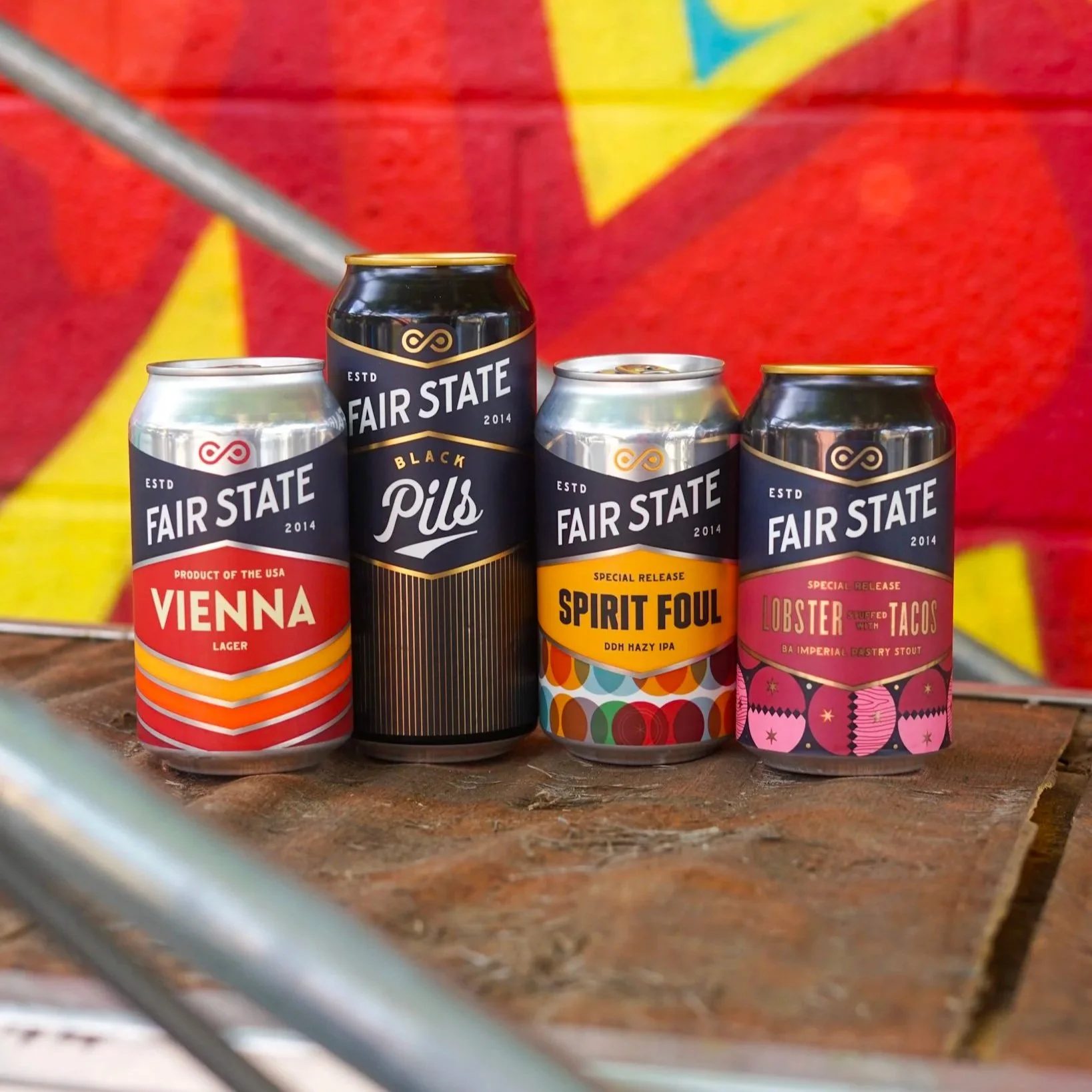
Through our connection to Fair State Brewing and our experience with products across beer, non-alcoholic, functional, and hemp-derived beverage categories, we've developed an appreciation for the different challenges each category presents.
That experience informs how we think about everything from production planning and ingredient handling to quality control and packaging.
It also reinforces something we believe strongly:
A good manufacturing process should support the product—not force the product to fit the process.
Planning for What Comes Next
For beverage founders, it's easy to focus on getting the first product to market.
And that's an important milestone.
But building a successful beverage brand also means thinking about what happens afterward.
What if demand increases? What if you want to introduce a new flavor? What if your customers start asking for a non-alcoholic version of your product? What if an entirely new opportunity presents itself?
Having a manufacturing partner who understands your goals and can help you evaluate those possibilities can make a meaningful difference.
Not every new idea will be the right fit for every production facility. But an experienced partner can help you understand what's possible, what needs to change, and what it will take to move forward.
Built for What's Next
At Ranchers Beverage Co., we believe beverage manufacturing should be collaborative, thoughtful, and adaptable.
We're proud of our brewing roots, but we're equally excited about the future of the beverage industry and the brands helping shape it.
Whether you're developing your first product, expanding an existing lineup, or exploring an entirely new beverage category, the right manufacturing relationship can help you navigate what's ahead.
Because great beverage brands don't stop evolving.
And neither should the people helping bring them to life.